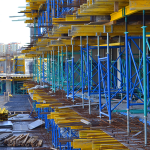
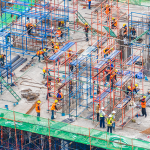
Discover why C60 shoring systems power Malaysia’s heavy concrete projects: 60mm steel tubes, superior load capacity, fast assembly & modular flexibility.
Key Takeaways
✨ Superior Load Capacity: C60’s 60mm steel tubes handle significantly heavier concrete loads than standard 48mm props
✨ Modular Speed: Locking connections mean faster assembly compared to coupler-based systems
✨ Project Versatility: Ideal for bridges, high-rise buildings, flyovers and heavy slabs across Penang and Malaysia
✨ Long-Term Durability: Anti-rust coating extends system lifespan in Malaysia’s tropical climate
Introduction
Malaysia’s infrastructure boom demands stronger support systems. Penang’s bridge projects, KL’s high-rise developments, and industrial slabs need more than standard propping can deliver. Traditional 48mm props struggle under heavy loads, leading to deflection, delays, and safety concerns.
We’ll show you why C60 shoring systems have become the industry standard for heavy concrete work in Malaysia and how they solve load capacity, assembly speed, and reliability challenges.
What Makes C60 Shoring Systems Different from Standard Props?
C60 shoring systems use 60mm diameter steel tubes instead of standard 48mm props, providing substantially higher load-bearing capacity for heavy concrete structures. The “C60” designation refers to the 60mm tube diameter, the key feature that defines the system’s superior strength.
The main difference is simple: larger diameter tubes carry more weight. Standard 48mm props handle moderate loads, while C60’s 60mm tubes increase load capacity by approximately 50-70%. The connection method also differs, C60 uses a direct locking mechanism without couplers, making assembly 50% faster than traditional systems that require fittings at every joint.
C60 creates an integrated grid structure with both vertical tubes and horizontal beams working together. This interconnected frame distributes loads more evenly than individual props standing alone, providing superior stability for large concrete structures.
C60 shoring systems are commonly used for major infrastructure projects including bridges, flyovers, and high-rise buildings across Malaysia where heavy concrete support is critical.
How Much Load Can C60 Shoring Systems Actually Support?
C60 shoring systems handle heavy-duty loads designed for large concrete structures, though exact load ratings depend on configuration, height, and span. The 60mm steel tubes provide structural strength needed for projects where standard 48mm props might fail.
Load capacity varies based on vertical support spacing, horizontal beam placement, structure height, and ground bearing capacity. The high-strength steel and greater cross-sectional area enable C60 to safely support highway flyovers with 300-500mm slabs, high-rise transfer slabs up to 800mm thick, bridge decks spanning long distances, and industrial floors carrying heavy equipment loads.
Consult structural engineers for specific calculations. Site conditions, concrete mix design, and building codes all affect required configurations.
Pro Tip: Request a site-specific shoring plan from your supplier. Companies like Power Metal & Steel provide engineering support to calculate exact C60 configurations for your loads.
Why Do Penang Construction Projects Prefer C60 Shoring Systems?
Penang’s infrastructure development and high-rise boom demand reliable heavy-duty shoring, making C60 systems the preferred choice for major projects. The island state’s unique combination of urban density, coastal environment, and ambitious construction targets creates specific needs that C60 systems address effectively.
The coastal environment poses particular challenges. Salt air accelerates corrosion on unprotected metal, making C60’s anti-rust coating essential for seaside projects. This protective finish extends equipment lifespan significantly, reducing long-term replacement costs for contractors working in Penang’s marine climate.
Penang’s urban growth pushes buildings higher, creating transfer slabs at podium levels that need maximum support. These concentrated loads at mid-height building sections demand the superior capacity that C60 systems provide. The bridge project in Penang demonstrated C60 capabilities at scale, and subsequent infrastructure initiatives have followed this precedent with government agencies now commonly specifying heavy-duty shoring standards.
Space constraints in Penang’s dense urban areas also favor C60 systems. Faster assembly means shorter site occupation, and the modular design adapts well to tight working areas where traditional systems would struggle.
How Fast Can C60 Shoring Systems Be Assembled on Site?
A C60 shoring system erects faster than coupler-based traditional shoring due to its locking connection mechanism. A standard 5m x 5m bay typically takes less time with a 3-person crew compared to traditional systems that require multiple couplers.
The speed advantage comes from eliminating couplers entirely. Traditional systems require multiple couplers per bay that workers must tighten individually. C60’s snap-lock mechanism eliminates this time-consuming step. Pre-configured components also reduce measurement time and assembly errors.
Pro Tip: Familiarize your crew with the C60 shoring systems before the project starts. Proper training helps your team work more efficiently with the locking mechanisms.
What Malaysian Standards Must C60 Shoring Systems Meet?
C60 shoring systems must comply with MS 1462 standards and CIDB guidelines for temporary works. These regulations ensure safety during concrete curing.
MS 1462 specifies steel grades, dimensions, and load testing. CIDB requires certified systems with proper calculations and competent supervision. Verify your supplier provides certified components with load certificates. Keep erection records and inspection logs.
Pro Tip: Ask suppliers for Malaysian compliance documentation. Power Metal & Steel provides full certification packages.
What Maintenance Does C60 Shoring Equipment Require?
C60 shoring systems need regular inspection, cleaning, and proper storage to maintain safety and extend lifespan. After each use, remove concrete debris and check locking mechanisms. Monthly inspections should verify anti-rust coating integrity and check for bent tubes or cracked welds.
Store equipment in dry, covered areas off the ground. Components showing damage must be removed from service immediately. If you rent, the supplier handles all maintenance. If you own equipment, budget for annual inspections and proactive component replacement.
Pro Tip: Photograph components upon delivery and return when renting. This protects both parties and clarifies damage responsibility.
How Do C60 Systems Compare to Other Shoring Options?
C60 shoring systems balance load capacity, assembly speed, and cost better than alternatives. Standard 48mm steel props work for light to medium slabs but lack capacity for heavy concrete. Table formwork systems assemble fastest but only suit repetitive rectangular slabs with high costs. Aluminum props handle residential work but fail on commercial loads.
C60 fills the gap where standard props can’t handle the weight and table formwork doesn’t fit the project type. It’s purpose-built for heavy load-bearing with faster assembly than traditional methods.
Pro Tip: Never use under-capacity shoring to save costs. Failure risks far exceed equipment savings.
Conclusion
C60 shoring systems provide the superior load capacity, assembly speed, and reliability that Malaysia’s heavy concrete projects demand. With 60mm steel tubes, modular locking connections, and anti-rust protection, C60 systems handle the challenging requirements of bridge decks, high-rise transfer slabs, industrial floors, and other heavy structures that standard props cannot support. From Penang’s infrastructure projects to KL’s high-rise developments, C60 scaffolding has become the industry standard for absolute reliability.
Before your next heavy concrete project, request a site assessment and shoring plan from a certified C60 shoring systems supplier. Provide your structural engineer’s drawings and load specifications. Get quotes comparing C60 configuration options, rental terms, and engineering support services. Don’t compromise on shoring capacity, the safety of your workers and success of your project depend on choosing the right system.
Ready to support your heavy concrete project with proven C60 technology? Contact Power Metal & Steel for expert engineering assessment and comprehensive shoring solutions tailored to your Malaysian construction needs.
FAQs
C60 scaffolding and C60 shoring refer to the same system—the terms are often used interchangeably in Malaysia. The “C60” designation means 60mm diameter steel tubes. When used for supporting concrete slabs during curing, it’s called a shoring system. When used for worker access at height, it’s called scaffolding. The same 60mm tube components work for both applications.
Rental costs vary based on project duration, quantity needed, location, and supplier. Factors affecting price include delivery distance, erection service requirements, and project complexity. Contact suppliers like Power Metal & Steel directly for accurate quotations based on your specific project needs.
Yes, but it’s typically not cost-effective for standard residential projects. C60 systems are designed for heavy loads like 300mm+ slabs. Most residential houses use 150-200mm slabs that standard props can handle adequately. However, for luxury homes with thick transfer slabs, basement car parks, or heavy rooftop features, C60 may be necessary. Consult your structural engineer to determine if your residential project requires heavy-duty shoring.
C60 scaffolding systems can support structures at various heights depending on configuration. Standard vertical tubes come in 1.0m, 1.5m, 2.0m, and 3.0m lengths. These can be stacked and connected to reach greater heights. Base jacks provide 300-600mm ground adjustment, and U-heads extend an additional 600-900mm at the top. The actual safe working height depends on load requirements, lateral bracing, and ground conditions. Always consult structural engineers for height-specific calculations.
Yes, C60 scaffolding systems work excellently for basement construction, especially deep basements with thick slabs. Basements face earth pressure plus the weight of thick concrete slabs, often 300-500mm. C60’s high load capacity handles these combined forces safely. The system also adapts well to the confined spaces typical in basement construction. For basements below the water table, ensure proper waterproofing around shoring base plates.